


Product details
Key Features of Panic Buttons for Alarm Systems:
- Immediate Alert:
- When pressed, the panic button sends a signal to the alarm system, triggering an immediate response. This can involve notifying local authorities, security personnel, or sending alerts to the property owner or monitoring center.
- Wired and Wireless Options:
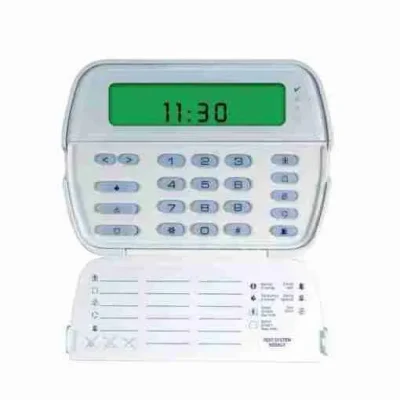
- Panic buttons can be either wired or wireless. Wired buttons are integrated into the alarm system’s control panel, while wireless models communicate via radio frequency (RF) signals, allowing more flexibility in placement.
- Discrete Design:
- Panic buttons are often designed to be small and discreet, allowing users to hide them in strategic locations. Some models come in the form of hidden wall switches, remotes, or pendant-style buttons for wearable use.
- Multiple Activation Methods:
- Some panic buttons can be pressed manually, while others may include voice activation, motion sensors, or even smartphone integration to allow users to activate the panic button remotely.
- Silent and Audible Alarms:
- Silent panic buttons alert authorities without sounding an alarm, ensuring that a threat does not become aware that help is on the way. Audible panic buttons may trigger alarms or sirens that serve as a deterrent to intruders.
- Integration with Other Systems:
- Panic buttons are typically integrated with alarm systems, CCTV cameras, or access control systems to provide a comprehensive security solution. When the panic button is triggered, these systems can activate cameras, lock doors, or send detailed alerts.
- Battery-Powered:
- Battery-powered panic buttons ensure operation even if there is a power outage or disruption. Many models feature long-lasting batteries with low battery indicators for timely replacement.
- Multiple Button Styles:
- Panic buttons can come in various forms, such as:
- Wall-mounted panic buttons: Fixed to a wall in strategic locations, often near doors or entry points.
- Handheld or wearable buttons: Compact devices that can be carried in pockets or worn on a keychain, wristband, or around the neck.
- Remote panic buttons: Often used as part of a key fob or car alarm system.
- Panic buttons can come in various forms, such as:




There are no reviews yet.